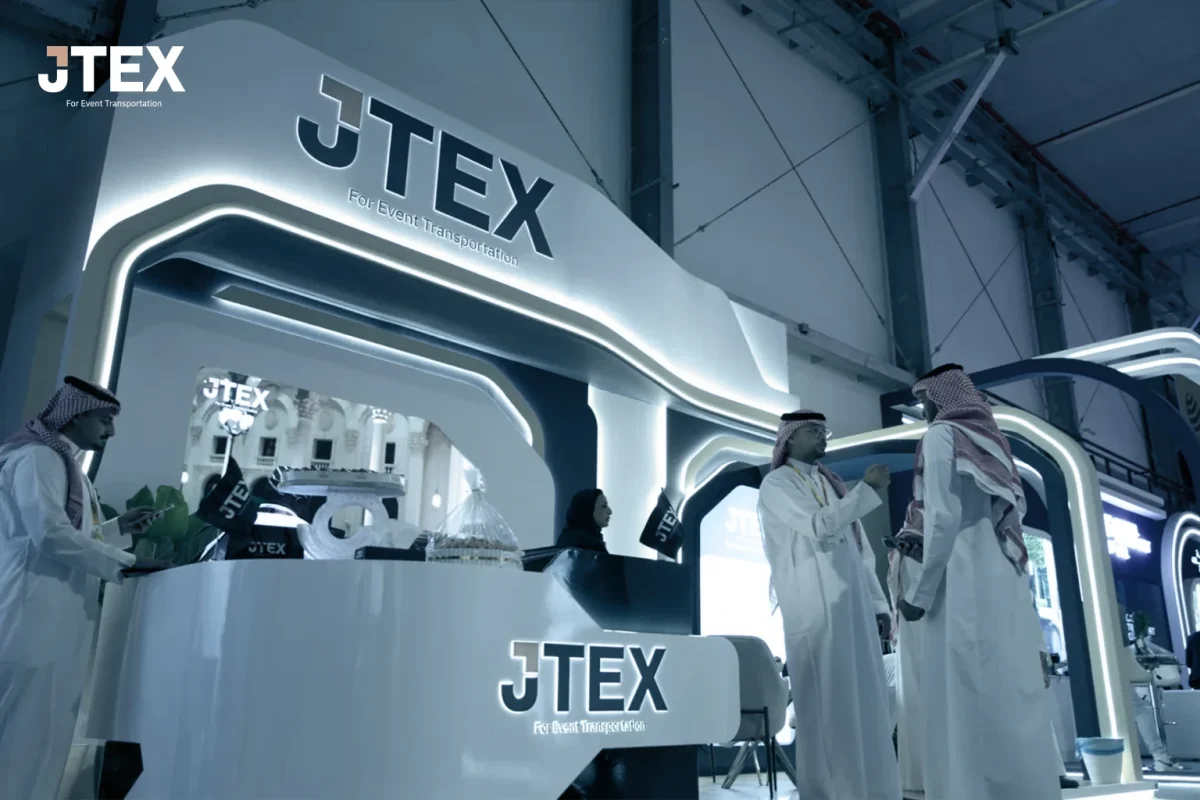
Case Study: Moving Delegations from 20 Countries for the AFC Awards 2025

In this article12
- Contents
- AFC Awards: The context: an Asian ceremony hosted in Riyadh for the first time
- AFC Awards: What was the challenge?
- How did we plan the delegation movements?
- How were airport arrivals handled before the ceremony?
- How did the night of the ceremony unfold?
- How did we handle contingencies and alternative routes?
- What was the result?
- What did we learn for similar events?
- Plan your event transportation with us
- Frequently asked questions
- Additional options when your group travels together
In a single night in Riyadh, JTEX moved international delegations and Asian football stars from 20 countries to the AFC Awards 2025 at the King Fahd Cultural Center, as the logistics and organisational partner responsible for guest movements between their hotels and the venue. This case study explains how the operation was planned, what kinds of movements were managed, how we dealt with the unpredictable, and what we learned for similar events.
AFC Awards: The context: an Asian ceremony hosted in Riyadh for the first time
The 29th edition of the AFC Awards was held in Riyadh at the King Fahd Cultural Center, the first time Saudi Arabia had hosted the ceremony. Asian football stars from 20 countries attended to compete for the best men’s player, best women’s player, best coach and best national team awards for the 2024–2025 season, alongside delegations from national federations and teams, representatives of the continental confederation and the media. The event is documented on our works page: AFC Awards 2025.
AFC Awards: What was the challenge?
The challenge at a ceremony of this kind is not distance, since the hotels and the King Fahd Cultural Center are all within Riyadh, but synchronisation. Dozens of guests at different protocol levels, each from their own hotel, must reach the red carpet within a narrow window set by the ceremony and broadcast schedule, and then all leave at almost the same moment when it ends. Added to this:
- Delegations with different languages and expectations, some arriving in Riyadh on the same day through King Khalid International Airport.
- Two service levels at once: individual luxury transfers for stars and dignitaries, and group transport for national teams and federations.
- Security perimeters and designated entrances around the King Fahd Cultural Center, dictating specific routes and precise drop-off points.
- A programme that could change at the last minute depending on red-carpet order and media interviews.
How did we plan the delegation movements?
We started from the programme, not from the vehicles. From the organisers we received the delegation lists with ranks, hotels and flight arrival times, and built a single movement plan assigning each delegation its vehicles, chauffeurs, hotel meeting point and departure window. Vehicles were allocated in protocol order: luxury sedans and SUVs for stars and dignitaries, executive vans and VIP buses for teams, federations and support staff. Each hotel had a coordinator who knew its delegations by name, and every hotel-to-venue route had a ready alternative in case the primary road was closed. The day before the ceremony, chauffeurs were briefed on the approved drop-off points at the venue, the line-up order and guest etiquette.
How were airport arrivals handled before the ceremony?
Delegations arriving during the event days were received at King Khalid International Airport using our standard arrival process: flight tracking until landing, a representative in the arrivals hall, vehicles lined up to match the delegation’s size and luggage, and a direct transfer to the hotel along the approved route. The airport coordinator was linked to the hotel coordinators so that each hotel knew when its new delegation would arrive, and the evening plan was adjusted if a flight ran late. This layer of service is described on our airport transportation and airport protocol services pages.
How did the night of the ceremony unfold?
By the afternoon the vehicles were positioned at the hotels and departures began to schedule: the most senior guests in individual vehicles timed to their red-carpet order, teams and federations in organised groups. The operations team followed every movement on one map, and the organisers’ coordinator was informed of each arrival at the drop-off point. When the appearance order changed for some guests, their hotel departures were re-timed in real time without any guest noticing. After the ceremony, the hardest part of any awards night, the vehicles were lined up in the same order in the approved departure area, and the delegations moved back to their hotels without crowding or waiting.
How did we handle contingencies and alternative routes?
We did not rely on everything going to plan. Standby vehicles were positioned at the main hotels and at the venue to cover any vehicle running late or any guest deciding to leave at a different time. Alternative routes were prepared for every hotel, allowing for the expected security closures around the venue and Riyadh’s evening peak traffic. The communication line between chauffeurs, hotel coordinators and the operations team stayed open all night, so that any diversion decision was taken in seconds rather than minutes.
What was the result?
Delegations reached the ceremony on time and left it smoothly, and the ceremony delivered its purpose as a complete experience of luxury and celebration of Asian football without guest movement becoming a concern for the organisers. For JTEX, the night confirmed what we practise every day: that strength in execution and trust in every journey are built through planning days ahead, not improvisation on the night. It also showed that a direct operator, owning its vehicles, managing its chauffeurs and placing an operations team on site, can serve two levels of guest within one system.
What did we learn for similar events?
- Build the plan around the programme, not the vehicle count: appearance order and broadcast windows determine the timing of every departure.
- One coordinator per hotel: knowing delegations by name is what allows timing changes without confusion.
- The departure plan matters more than the arrival plan: arrivals are staggered; departures happen almost at once.
- Contingency is not a luxury: standby vehicles and alternative routes are what make changes invisible.
We apply these principles today to every event transportation programme, whether an international conference or an awards ceremony, as described on our conference and event service and VIP transport and delegation services pages, and in our overview of AFC Awards in Saudi Arabia.
Plan your event transportation with us
If you are organising a ceremony, conference or tournament that welcomes delegations from several countries, share the programme and we will come back with a complete movement plan. Contact the JTEX team on WhatsApp or through our contact page.
Frequently asked questions
What was JTEX’s role at the AFC Awards 2025?
JTEX was the logistics and organisational partner responsible for moving international delegations and stars between their hotels and the King Fahd Cultural Center in Riyadh, with individual luxury transfers for dignitaries and group transport for national teams and federations.
How were guests at different protocol levels moved on the same night?
Through one movement plan that allocated vehicles by rank, from luxury sedans and SUVs for stars and dignitaries to executive vans and VIP buses for teams, with a coordinator at each hotel and an operations team following every movement.
How did you handle last-minute programme changes?
By re-timing hotel departures in real time, positioning standby vehicles at the hotels and the venue, using pre-approved alternative routes, and keeping an open communication line between chauffeurs and coordinators all night.
Does event transportation include receiving delegations at the airport?
Yes. Delegations arriving during the event days were met at King Khalid International Airport with flight tracking, a representative in arrivals and suitable vehicles, then transferred to their hotels within the same plan.
Can JTEX run a similar operation for my event?
Yes. We apply the same principles to conferences, ceremonies and tournaments in Riyadh and other regions of the Kingdom. Share your event programme and we will propose a movement plan and quotation.
Read company updates on the official JTEX LinkedIn page.
Additional options when your group travels together
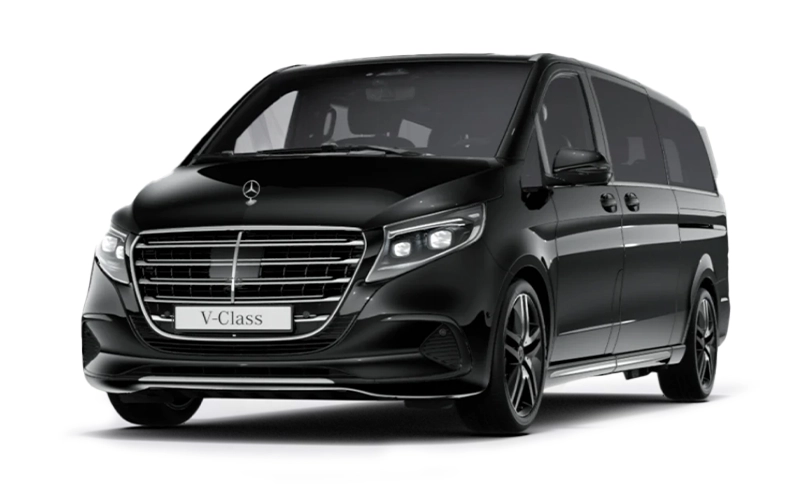
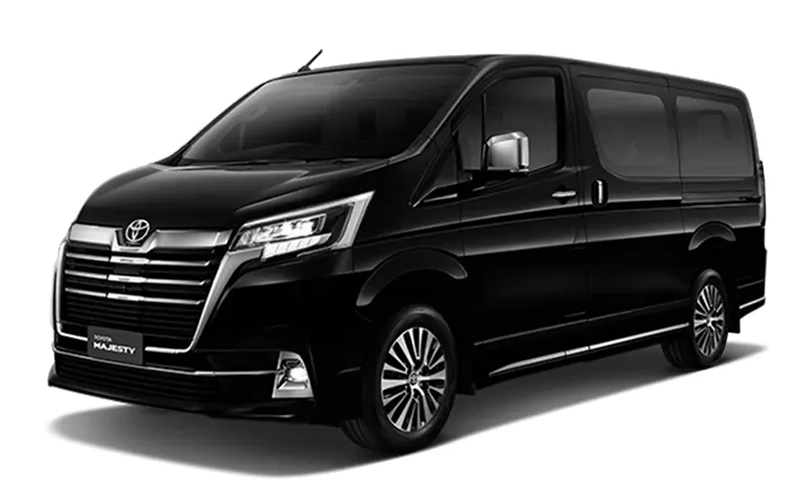
For larger groups, compare separate cars with a vehicle that keeps passengers together. JTEX fleet options include the Mercedes V-Class, Hyundai Staria and Toyota Hiace. The examples below help compare vehicle types; confirm model availability, seating and luggage space with the team before booking.