Case Study: Guest and Delegation Mobility at Riyadh International Book Fair 2025

In this article12
- Contents
- Riyadh Book Fair: The context: a multi-day fair with guests from many countries
- Riyadh Book Fair: What is different about transport for a multi-day event?
- How did we plan the operation?
- How was airport movement managed over the days?
- How did we organise shuttles and buses?
- How did we handle contingencies and daily changes?
- What was the result?
- What did we learn for extended events?
- Plan your exhibition or conference transport with us
- Frequently asked questions
- Additional options when your group travels together
Throughout the days of the Riyadh International Book Fair 2025, JTEX managed the mobility of participating guests and delegations: authors and speakers in the cultural programme, delegations of publishers and cultural institutions from inside and outside the Kingdom, and organising teams working from early morning until after closing. Unlike a ceremony held on a single night, the challenge here was continuity: a repeating daily schedule over several days, guests arriving and departing on different days, and an events programme that changed from one day to the next. This case study explains how we organised that movement, what differed from single-night events, and what we learned.
Riyadh Book Fair: The context: a multi-day fair with guests from many countries
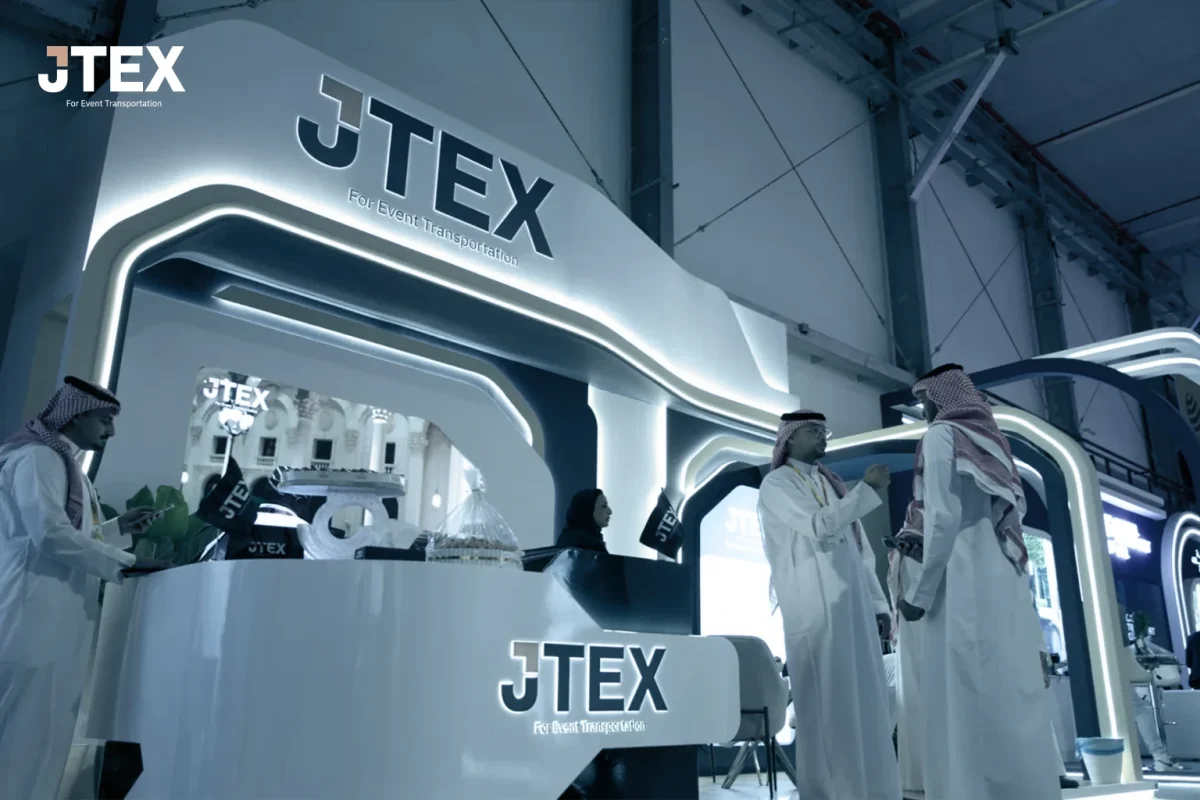
The Riyadh International Book Fair is one of the largest cultural events in the Kingdom, bringing together publishers, authors, thinkers and a wide public at its venue in Riyadh, alongside a daily cultural programme of panels, evening sessions and workshops hosting speakers from Saudi Arabia and abroad. For the 2025 edition, JTEX was responsible for moving guests and delegations between their hotels, the fair venue and side-programme locations, and for receiving and seeing them off at the airport. Our participation is documented on our works page: Riyadh International Book Fair 2025.
Riyadh Book Fair: What is different about transport for a multi-day event?
An extended event imposes a different operating logic from a one-night ceremony:
- Staggered arrivals and departures: guests do not all arrive on one day; some attend only for their session, others stay for the whole fair, which means airport receptions and departures almost every day.
- A daily schedule that repeats but never matches: hotel-to-venue shuttles run every day, yet panel and evening-session times differ, so vehicle allocation and peak periods shift from day to day.
- Long operating hours: from the first morning departures for organising teams to the return of late-evening guests, requiring chauffeur shift planning and the same standard of service on the last day as on the first.
- Guests with different priorities: a keynote speaker needing an individual vehicle timed precisely, a publishers’ delegation moving together, and an organising team needing a bus at set hours.
How did we plan the operation?
We split the plan into two layers. The first was fixed: scheduled shuttle loops between the hotels and the fair venue throughout operating hours, using mini buses and executive vans according to the size of each hotel, with a coordinator at the pick-up points and clear signage. The second was variable: individual vehicles and dedicated vans allocated each day according to the programme of panels and evening sessions, so that every speaker reached their hall comfortably ahead of time and returned after their session ended. Every evening, the operations team reviewed the next day’s programme with the organisers’ coordinator and reallocated vehicles and chauffeurs to the changes, so each morning began with an updated plan rather than last week’s.
How was airport movement managed over the days?
Instead of one collective reception, we handled a continuous flow of arrivals and departures. Every flight was tracked until landing, our representative met the guest in the arrivals hall at King Khalid International Airport, and a vehicle matched to the delegation’s size and luggage took them directly to their hotel. For departures, the pick-up time from the hotel allowed for road time and airport procedures, and on some occasions we took a guest straight from their session at the fair to the airport for a same-day return flight. Linking the airport coordinator with the hotel coordinators and the fair team is what prevented timing conflicts. More on this service on our airport transportation page.
How did we organise shuttles and buses?
Shuttles are the backbone of an extended event because they give guests a dependable timetable without an individual booking for every trip. We agreed loop frequency with the organisers according to peak periods, the opening morning and the evening sessions, and deployed Toyota Coaster mini buses and Hyundai Staria vans on the hotel-to-venue routes, with a fixed drop-off point near the guest entrance agreed with the venue management. Buses for the organising teams ran on morning and evening shifts outside the guest loops so the two flows never competed. Details of this service on our bus transportation service page.
How did we handle contingencies and daily changes?
At an event lasting several days, change is not an exception but part of the schedule. Flights ran late, panel times moved, evening sessions ran over, and the size of some delegations changed. We dealt with this using three tools: a standby vehicle at the venue and another near the main hotels, approved alternative routes for Riyadh’s peak hours and for closures around the venue, and a single point of contact between the organisers’ coordinator and our operations team that received every change and reallocated immediately. We also monitored chauffeur fatigue across the days, because the standard on the final day has to equal the first.
What was the result?
Guests and delegations moved to a clear timetable throughout the fair, speakers reached their halls on time, and the shuttle loops ran with a regularity guests could rely on without thinking about how they would travel. For the organisers, the single point of contact and the daily evening review removed a large share of the coordination effort. The experience confirmed that a fixed, scheduled and continuously monitored mobility system is what extended events need, and that precision is a standard rather than an option.
What did we learn for extended events?
- Separate the fixed from the variable: fixed shuttle loops for everyone, dedicated vehicles allocated daily to the programme.
- A daily evening review: tomorrow’s plan is built every evening on tomorrow’s actual programme.
- The airport works every day: staggered arrivals and departures need a permanent airport coordinator linked to the hotels.
- Sustain the standard across the days: chauffeur shifts and standby vehicles keep the level up to the last day.
We apply these principles to multi-day exhibitions and conferences, as described on our conference and event service page and in our overview of Riyadh Book Fair services in Saudi Arabia.
Plan your exhibition or conference transport with us
If you are organising an exhibition or conference that runs for several days and welcomes guests and delegations from different cities and countries, share the programme and we will come back with a complete movement plan. Contact the JTEX team on WhatsApp or through our contact page.
Frequently asked questions
What was JTEX’s role at the Riyadh International Book Fair 2025?
JTEX moved participating guests and delegations between their hotels, the fair venue and side-programme locations throughout the fair’s days, and received and saw them off at King Khalid International Airport.
How does transport for a multi-day event differ from a one-night ceremony?
An extended event needs fixed shuttle loops, dedicated vehicles allocated daily to the programme, a permanent airport coordinator for staggered arrivals and departures, and an evening review of the next day’s plan.
How are shuttles between hotels and the venue organised?
In scheduled loops whose frequency follows peak periods, using mini buses and executive vans according to each hotel’s size, with a coordinator at pick-up points, signage and a fixed drop-off point agreed with the venue management.
How do you handle changed session times or late flights?
With standby vehicles at the venue and near the hotels, approved alternative routes, and a single point of contact between the organisers’ coordinator and our operations team that reallocates vehicles immediately on any change.
Does JTEX provide this service for other exhibitions and conferences?
Yes. We apply the same approach to extended exhibitions and conferences in Riyadh and other regions of the Kingdom. Share your event programme and we will propose a movement plan and quotation.
Read company updates on the official JTEX LinkedIn page.
Additional options when your group travels together
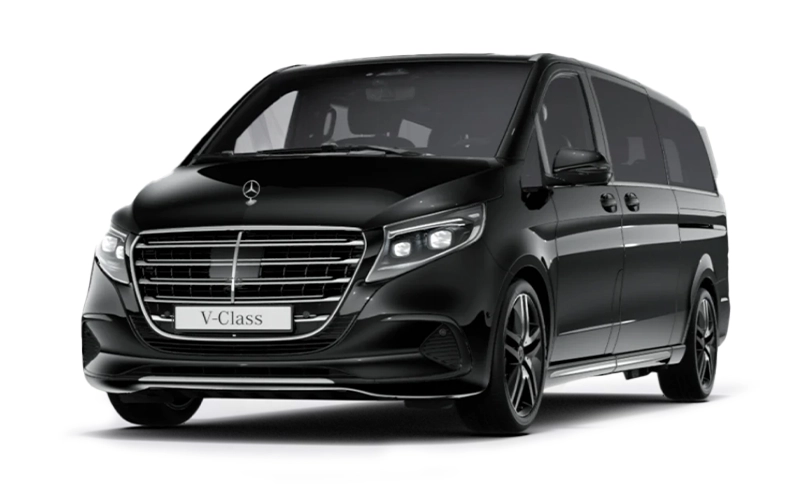
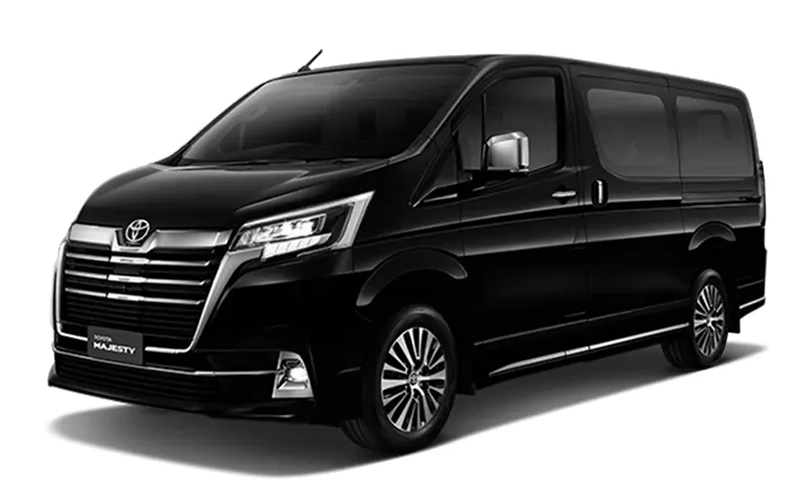
For larger groups, compare separate cars with a vehicle that keeps passengers together. JTEX fleet options include the Mercedes V-Class, Hyundai Staria and Toyota Hiace. The examples below help compare vehicle types; confirm model availability, seating and luggage space with the team before booking.