Event Transportation in Saudi Arabia: The Planner’s Checklist

In this article13
- Contents
- Event Transportation: Why does transportation need its own plan, not a line in the logistics sheet?
- Event Transportation: Step 1: What does the master timeline need to show?
- Step 2: Have you mapped every venue, hotel and access point?
- Step 3: How are delegations tiered and matched to vehicles?
- Step 4: How do you design shuttle loops that do not collapse at peak?
- Step 5: Where are the VIP lanes and how are they protected?
- Step 6: What does contingency routing look like in practice?
- Step 7: Who talks to whom, and through which channel?
- What does this look like on a real event?
- The planner’s checklist in one list
- Frequently asked questions
- Additional options when your group travels together
Event transportation in Saudi Arabia succeeds or fails before the first guest lands. This checklist covers what a planner must lock down, in order: the timeline, every venue and hotel, delegation tiers, shuttle loops, VIP lanes, contingency routing and a single communication channel. It is the same sequence JTEX follows when it builds a fully managed mobility system for conferences, exhibitions and ceremonies across the Kingdom.
Event Transportation: Why does transportation need its own plan, not a line in the logistics sheet?
Most event failures that guests notice are movement failures: a delegation stuck at the hotel, a shuttle loop that collapses at the evening peak, a VIP arriving at the same gate as the public. Catering and staging are contained inside the venue; transportation is exposed to the city, the airport and the weather. A plan that treats it as a separate operating layer, with its own owner, schedule and control point, is what keeps the rest of the event predictable.
JTEX describes this as route engineering and dispatch control: routes are designed and tested before the event, vehicles are staged rather than summoned, and one dispatch desk sees every movement. The checklist below is how that gets built.
Event Transportation: Step 1: What does the master timeline need to show?
Start from the official programme and build a movement timeline around it, hour by hour, for every day including arrival and departure days.
- Arrival windows by airport and terminal, grouped into waves.
- Hotel-to-venue departures for each guest tier, with buffer for security screening.
- Session breaks, lunches and side events that create movement between buildings.
- Evening programmes (gala, dinner, cultural visit) and the return loops after them.
- Departure waves on the final day, mapped against flight times.
Every time block should answer one question: how many people need to move from where to where, and in which vehicle class.
Step 2: Have you mapped every venue, hotel and access point?
Multi-venue events demand synchronised planning. For each location, record the vehicle entry, the drop-off and pick-up zone, the staging area where vehicles wait off-street, security checkpoints and their processing speed, and the alternative gate if the main one closes. Then connect the locations: approved corridors, expected travel times at the actual hours of use, and where the corridors overlap with public traffic or other events in the city.
When the event spans Riyadh and a second city, as the Spanish Super Cup did in Jeddah, intercity movement becomes a separate workstream with its own vehicles and relief drivers.
Step 3: How are delegations tiered and matched to vehicles?
Group guests by protocol level and travel pattern, not by title alone. A typical structure has three tiers:
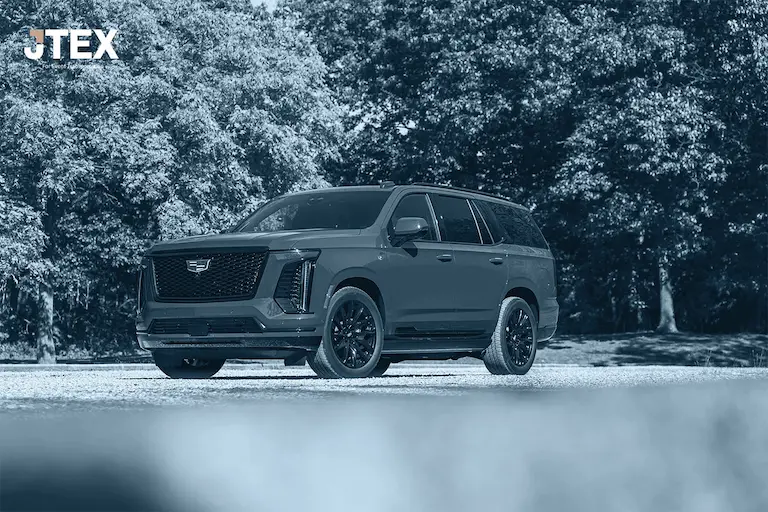
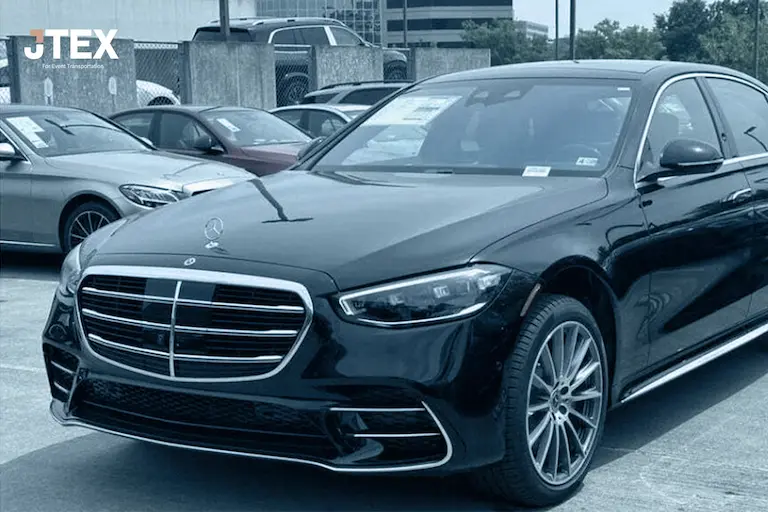
- Heads of delegation and principals: a dedicated executive sedan or SUV with chauffeur, moving on their own schedule.
- Delegation members and speakers: VIP vans moving by delegation, so a group stays together.
- Attendees and staff: coaches on a fixed shuttle loop between hotels and venue.
Match each tier to a vehicle class and name the vehicles in the plan. Our conference and event service builds exactly this matrix, drawing on bus transportation for the shuttle layer and executive vehicles for the principal layer.
Step 4: How do you design shuttle loops that do not collapse at peak?
A shuttle loop is a capacity calculation, not a vehicle count. Decide the headway (how often a coach departs), the loop time including loading, and the peak demand right after the keynote or before the gala. Then plan for the peak, not the average, and stage extra coaches at the venue for the surge rather than calling them in. Mark loading bays clearly, position marshals at both ends, and keep the loop running until the last session has emptied.
Inside very large sites, exhibition grounds and resorts, short-hop movement between halls is often better served by golf carts than by vehicles that must leave and re-enter the perimeter.
Step 5: Where are the VIP lanes and how are they protected?
VIP movement needs a physically separate path: its own gate, drop-off, holding area and departure sequence. Agree this with venue security early, because it shapes the whole site plan. Set a vehicle order for arrivals and departures of principals, assign a protocol officer to each principal’s vehicle, and keep public shuttles away from the VIP gate at all times. For official guests arriving by air, link the lane to airport protocol so the same standard applies from touchdown to the venue.
Step 6: What does contingency routing look like in practice?
Contingency is engineered, not improvised. For every corridor, pre-test at least one alternative route and record its time penalty. Keep a reserve of vehicles and drivers at a staging point, sized to the risk of the day. Define triggers in advance: a road closure, a session running over, a weather warning, a flight wave shifting by two hours. Each trigger has a named decision-maker and a pre-agreed response, so dispatch does not wait for a committee.
Step 7: Who talks to whom, and through which channel?
Communication fails when organisers, hotel desks, delegation liaisons and drivers each use a different thread. Establish one dispatch desk with live visibility of vehicle positions, one liaison per delegation who speaks to that desk, and one escalation path to the event director. Drivers receive their instructions from dispatch only. Guests receive one contact number. This is the dispatch-control layer that lets a large event feel calm from the inside.
What does this look like on a real event?
At the AFC Awards 2025 in Riyadh, football figures from twenty countries converged on the King Fahd Cultural Center for a single evening, which meant tight arrival waves, strict VIP sequencing and rapid departures. At the Riyadh International Book Fair 2025, the challenge was the opposite: sustained guest and delegation movement over many days, where shuttle reliability mattered more than a single peak. The same checklist, applied with different weights, served both.
The planner’s checklist in one list
- Movement timeline for every day, including arrivals and departures.
- Venue, hotel and access-point map with staging areas and alternative gates.
- Guest tiers matched to named vehicle classes.
- Shuttle loops sized to peak demand, with surge coaches staged on site.
- Separate VIP lane agreed with security, with vehicle order and protocol officers.
- Pre-tested alternative routes, reserve capacity and named decision triggers.
- One dispatch desk, one liaison per delegation, one number for guests.
- Post-event debrief with timing data to improve the next edition.
For the full service scope behind this list, see JTEX’s event transportation services in Saudi Arabia.
Frequently asked questions
How far in advance should event transportation be planned?
As soon as venues and dates are fixed. Vehicle allocation, security agreements and route testing all take time, and peak seasons in Riyadh put pressure on availability.
Can one operator handle VIP vehicles and attendee shuttles together?
Yes, and it is preferable: a single dispatch desk with visibility of both layers prevents the two movements from colliding at gates and drop-off zones.
What information does JTEX need to prepare an event transportation plan?
The programme, the list of venues and hotels, estimated guest numbers by tier, the arrival and departure schedule, and the security requirements of the host organisation.
How do you handle last-minute agenda changes?
Through staged reserve vehicles, pre-tested alternative routes and a dispatch desk empowered to act on agreed triggers without waiting for approvals.
Do you cover events outside Riyadh?
Yes. JTEX operates intercity movement for contracts and events across the Kingdom, with Riyadh as the operational base.
Get a transportation plan for your event. Share your programme and venues with JTEX on WhatsApp or through our contact page, and our event transportation team will return a plan built on this checklist.
Read company updates on the official JTEX LinkedIn page.
Additional options when your group travels together
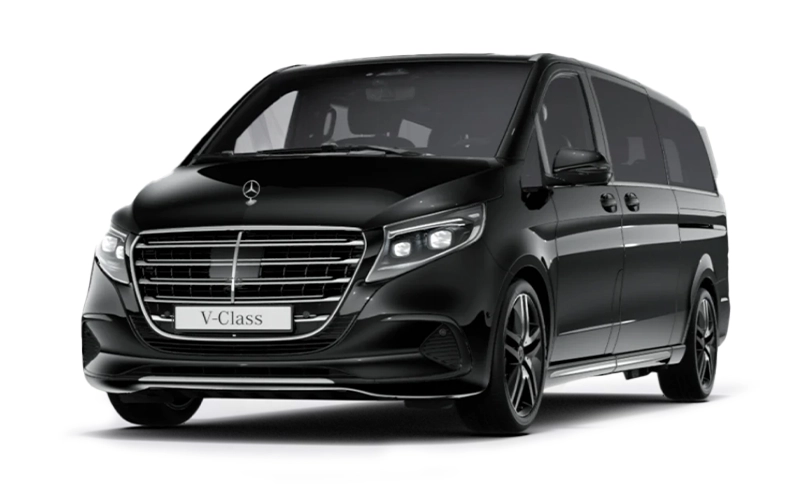
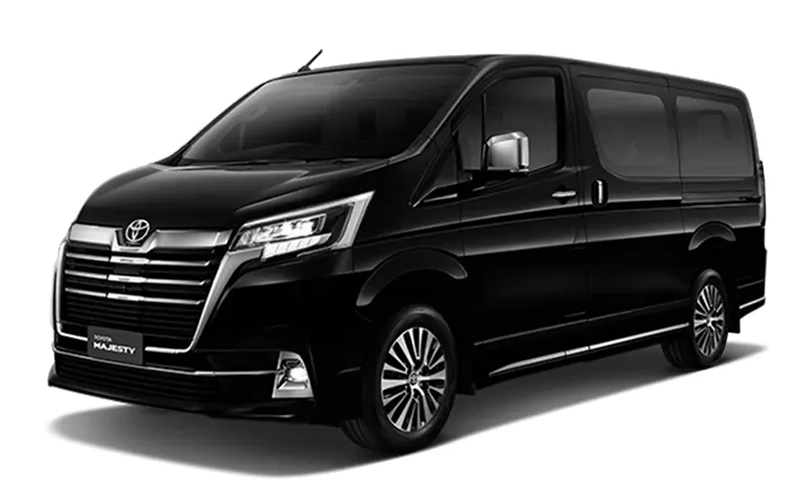
For larger groups, compare separate cars with a vehicle that keeps passengers together. JTEX fleet options include the Mercedes V-Class, Hyundai Staria and Toyota Hiace. The examples below help compare vehicle types; confirm model availability, seating and luggage space with the team before booking.